
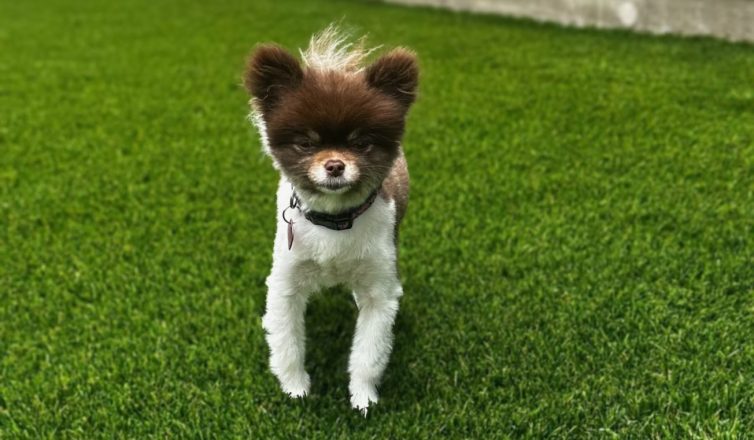
For dog owners, maintaining a healthy lawn can feel like an uphill battle. Muddy paw prints after it rains, brown patches from urine, holes from digging, and endless yard maintenance all add up to some major frustration. Whether you’re a homeowner, a dog daycare operator, or managing an apartment complex, pets and natural grass rarely get along without a hefty cost.
Artificial turf for dogs offers a practical, long-term solution that solves many of these common problems. In this guide, we’ll walk you through everything you need to know, from the benefits and best use cases to how to choose the right synthetic turf and care for it properly. You’ll come away with clear answers, creative design ideas, and the confidence to decide if turf is right for you and your dogs.
Quick Summary: What You’ll Learn
- Artificial turf eliminates pet-related grass issues like mud, digging, and odors while staying green year-round.
- Artificial turf’s ideal for homes, apartment buildings, vet clinics, daycares, parks, and public spaces.
- Choosing pet-friendly turf requires attention to type, infill, and durability.
- Turf maintenance is easy and cost-effective when done correctly.
- Over time, the investment in turf pays for itself through savings and convenience.
Why More Dog Owners Are Choosing Turf
Dogs are tough on natural grass. Rain turns backyards into mud pits. Constant paw traffic creates worn paths. And pet urine leaves behind brown, dead zones. For families and facilities alike, keeping a natural lawn looking clean and usable can become a full-time job.
Artificial turf solves these problems by creating a clean, mud-free surface that’s ready for play every day. It resists digging, dries quickly, and stays green regardless of the weather. Pet-safe turf options even include antimicrobial infills that help manage odors and bacteria, making the space healthier for both pets and people.
In residential settings, that means less time cleaning the floors and more time enjoying the yard. In commercial spaces—like dog daycares, parks, and veterinary clinics—it means a more sanitary, professional environment with easier upkeep and better customer satisfaction.
Where Artificial Turf for Dogs Makes the Biggest Impact
For Homeowners
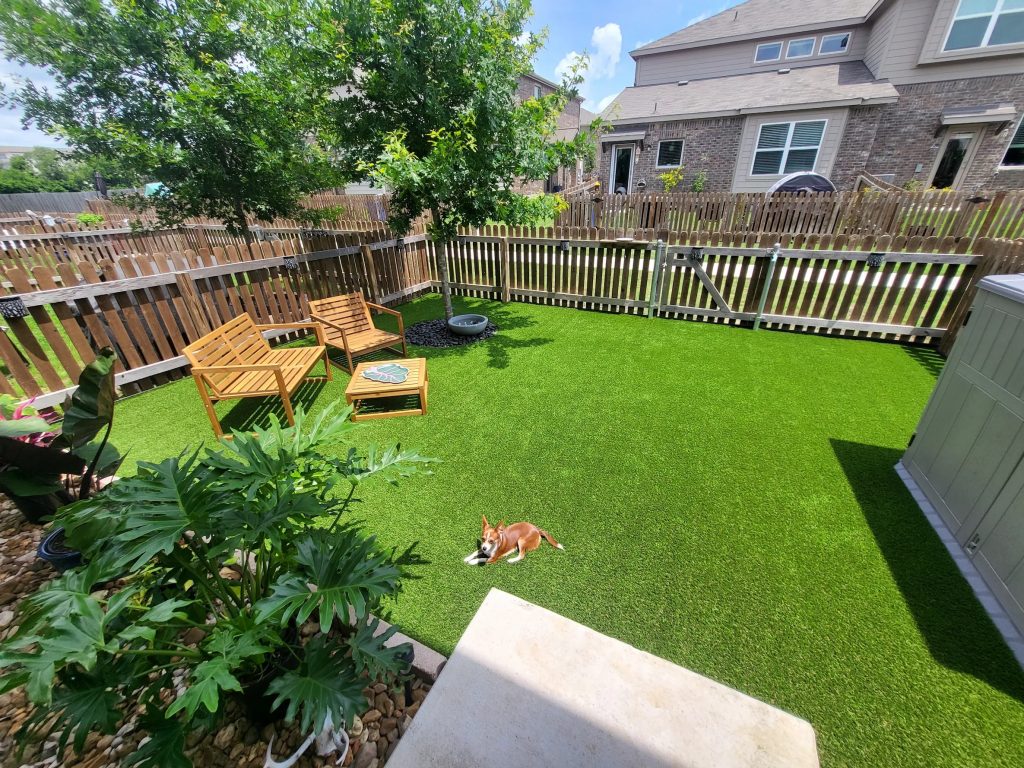
At home, turf is commonly used in backyards, side yards, dog runs, or patios where dogs spend most of their time. Many homeowners also create shaded relief zones or dedicated play areas for pets. In apartments, it’s an excellent solution for balconies, rooftops, or small relief patches where grass isn’t possible.
For Property Managers
For property managers, turf transforms shared spaces into low-maintenance pet amenities. Rooftop pet areas, community dog parks, or designated potty spots become more durable and easier to clean. These features also improve curb appeal and renter satisfaction in multi-family communities.
For Doggy Daycares
In dog daycares and boarding facilities, turf stands up to high foot traffic and regular cleaning. It can be installed indoors or outdoors for play zones, agility courses, and relief areas, allowing pets to stay active and safe all day.
For Public Space Managers
Parks and public dog runs also benefit from the durability and easy maintenance of turf. It provides a surface that won’t turn to mud after heavy use or rain and helps cities keep high-traffic areas clean and attractive. For veterinarians, post-operative care zones and waiting areas with turf offer comfort and safety, especially for anxious or recovering pets.
Why Synthetic Turf is Better for Pets (and Their People)
Artificial grass eliminates many of the hassles that come with natural lawns. Dogs can play, run, and relieve themselves without creating a mess. Homeowners no longer have to deal with brown patches, reseeding, or constantly mowing and watering.
Turf is also safer. Quality pet-friendly products are non-toxic, allergen-free, and designed with materials that won’t harm paws or skin. Antimicrobial infills help control bacteria and odors, while modern turf systems are built for drainage and durability.
It also allows for more flexibility in outdoor design. Whether it’s a small shaded patch or a full backyard transformation, turf can be shaped, bordered, and integrated into patios, pool decks, or multi-purpose play areas for kids, pets, and the whole family. The result is a clean, consistent surface that works for the whole household.
Choosing the Right Turf for Dogs
Not all turf products are suited for pets. If you’re investing in artificial grass for dog use, it’s important to choose the right materials and ask the right questions.
Look for turf that has a perforated backing or a layered base system that doesn’t trap pet urine. A pile height between 1 and 1.25 inches works well for easy cleaning and a natural feel. The infill should be antimicrobial; options like Envirofill or Zeofill help reduce odor and bacteria.
Also, check for pet-safe certification, UV stability, and warranty details. At Lone Star Turf, we install turf with warranties up to 16 years and offer specialized products designed for Southern heat and heavy pet use.
Before selecting a turf provider or installer, ask what infills they use and whether their systems are designed specifically for dogs. A good installer should also show examples of past pet projects and be able to adapt designs to your specific use case—whether that’s a residential yard, a pet daycare, or a rooftop dog zone.
What to Expect from Installation
Installing artificial turf for dogs requires more than simply rolling out synthetic grass. A well-done pet installation starts with removing existing grass, leveling the area, and laying down a compacted base layer, usually crushed granite or similar material.
Once the base is set, the turf is laid and secured with strong seams and edging. Pet-specific projects may include odor-control infills, reinforced anchoring, and separate zones for potty areas versus play areas.
On rooftops or balconies, modular turf panels or raised turf beds may be used to allow for portability and drainage. While some small areas can be handled as DIY, most dog-friendly turf installations benefit from professional help, especially to ensure proper grading and longevity.
Keeping Turf Clean: Maintenance Tips for Dog Owners
Artificial turf for dogs is low-maintenance, but it still requires some care to perform well over time.
Rinse turf weekly with a hose to remove dust and urine. For more frequent use, such as in daycares or relief zones, daily rinsing is recommended. Pet-safe cleaners like Simple Green, vinegar solutions, or specialty turf deodorizers can be applied for extra odor control.
Pick up solid waste as usual, and give the area a rinse afterward. Seasonal maintenance includes brushing the turf fibers with a stiff broom or power brush to keep them standing upright. It’s also a good idea to check infill levels once a year and top them off as needed.
With this light maintenance routine, most artificial turf systems will last 15-20 years, even in high-traffic environments.
Is Pet Turf Worth the Investment?
Turf installation costs typically range from $8 to $15 per square foot, depending on prep work, product selection, and location. While that cost may seem high at first, it quickly balances out against the cost of lawn maintenance, water bills, and the damage pets can cause to natural grass.
Over time, turf reduces your spending on landscaping, irrigation, and lawn care equipment. More importantly, it adds functional value to your property. A green, clean outdoor space boosts curb appeal, increases home value, and improves your family’s daily lifestyle—including for the furry members.
For businesses, turf adds professional appearance and hygiene benefits while reducing landscaping and maintenance costs. Dog daycares, veterinary clinics, and pet-friendly apartment communities all benefit from the durability, safety, and visual appeal that turf provides.
A Smart Upgrade for Dog-Loving Homes and Businesses
Artificial turf for dogs is more than just a convenience. It’s a smart solution for creating safe, clean, and beautiful outdoor environments that pets and people can enjoy every day. Whether you’re tired of muddy paws at home or looking to elevate your commercial property with low-maintenance pet zones, the right turf system can make a lasting difference.
If you’re considering turf for your home or pet facility, Lone Star Turf is here to help. We specialize in pet-friendly installations built for the Southern climate and backed by the best warranty in the business.
Ready to explore your options? Download our Free Buyer’s Guide to Artificial Turf or Schedule a Consultation with a turf expert today.
Frequently Asked Questions
Is artificial turf safe for dogs?
Yes. Our turf is made from non-toxic, lead-free materials and is installed with pet-safe infills like Envirofill that help control odors and bacteria.
How do I clean it after my dog uses it?
Scoop up solids as usual. Spray down the area with water to rinse away urine, and use pet-safe cleaners when needed to control odors.
Does it get hot in the summer?
Yes, turf can get warm in direct sunlight. We recommend adding shaded areas or rinsing with water on hot days. Some infills are designed to reduce heat as well.
How long does it last?
With proper care, pet turf can last 15-20+ years. Lone Star Turf installs turf with up to a 16-year workmanship warranty and durable base systems built to last.
Will my dog try to dig it up?
Most dogs stop trying after the first few days. Proper installation prevents access to edges or seams and helps discourage digging behavior.