If you live in the South, you probably love a good DIY project. Texans especially take pride in rolling up their sleeves and getting things done. Artificial turf seems like one of those simple weekend projects. Roll it out, cut it to size, stake it down, and suddenly you have a fresh, clean lawn that looks amazing year-round.
At least, that’s how it looks on YouTube.
The reality is very different. Turf installation is a construction project, and construction projects require precision, training, and the right tools. With the rise of TikTok tutorials, Pinterest boards, and homeowners trying to save on landscaping costs, DIY turf installs have become popular. Unfortunately, they also come with a long list of avoidable problems.
Professional turf installation ensures the turf lays flat, seams are hidden and secure, the base stays level even through extreme weather, and lasts for many years. Local experts like Lone Star Turf know the region’s soil types, weather patterns, and installation challenges that most homeowners are not prepared for. That knowledge is what separates a clean, long-lasting installation from one that begins to fail during the first big rain.
This guide walks through the most common DIY mistakes and explains why hiring professionals ultimately saves time, money, and frustration.
The 7 Common Mistakes Texas Homeowners Make When Installing Turf Themselves
1. Poor Ground Preparation
Ground prep is the foundation of every turf installation—literally. When it is done incorrectly, problems show up fast and often cannot be repaired without starting over.
Many DIY installers underestimate how much work this stage requires. Skipping excavation, ignoring uneven soil, or doing a quick pass with a hand tamper usually leads to:
- Turf wrinkling or seams separating
- Sunken divots that collect water
- Uneven surfaces that feel spongy
- Weeds pushing through the turf backing
Some Texas homeowners face another challenge: clay soil. Clay expands when it absorbs moisture and contracts when it dries. That movement can shift the turf, ripple seams, or destabilize the entire base. Professional installers understand how this soil behaves and know how deeply to excavate, how much base material to add, and how thoroughly the ground must be compacted to prevent shifting.
In other words, the work you do below the turf is just as important as the turf itself.
2. Inadequate Base Materials
The base is the structural support system for your turf. It controls drainage, stability, and overall performance. When the wrong materials are used, the turf may look good for a few weeks but will not perform well long-term.
Homeowners often choose whichever base material is cheapest or easiest to find. This leads to mistakes like using decomposed granite when crushed granite is required, or skipping an infill layer entirely. Some people even lay turf directly over dirt. That choice guarantees problems and almost always leads to an uneven surface.
Professionals know that a proper base includes the right blend of crushed granite, sand, and infill. Each layer must be installed at the correct depth and compacted uniformly. Expert installers do this daily, and they understand how different materials interact with heat, water, and foot traffic. A well-built base can support turf for a decade or more while a DIY base may break down within a single season.
3. Wrong Tools for the Job
Installing artificial turf requires tools that most homeowners do not own. Even if they can be rented, the learning curve can be steep.
For example:
- Plate compactors are needed to produce a smooth, stable base.
- Power brooms help lift turf fibers and evenly distribute infill.
- Turf cutters are essential for clean, accurate edges.
- Seam machines create invisible joins between rolls of turf.
Without these tools, the installation may look acceptable on day one, but will rarely hold up against pets, weather, and foot traffic. Turf that is not power-broomed will look matted and artificial. Turf that is not properly compacted will shift. Turf that is cut using household tools will have jagged seams.
The right equipment creates clean, crisp, professional results. Professionals not only own these tools but also know how to use them efficiently and safely.
4. Bad Seams Result in an Artificial Look
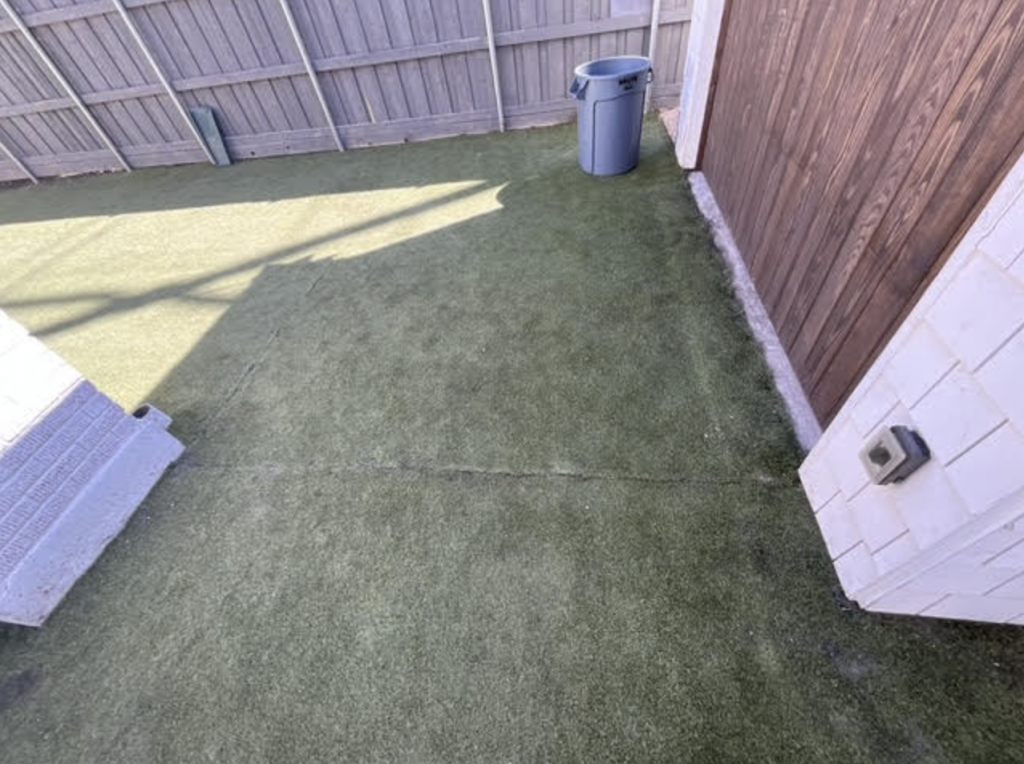
Visible seams are the fastest way to spot a DIY turf job. Creating seamless joins is one of the most difficult parts of turf installation. Every roll must be cut in a way that aligns the turf blades naturally. The seam tape and adhesive need to be applied in the correct pattern and pressure must be distributed evenly across the seam. One misstep and the seam will bubble, cast a shadow, or stick out like a line running across your lawn.
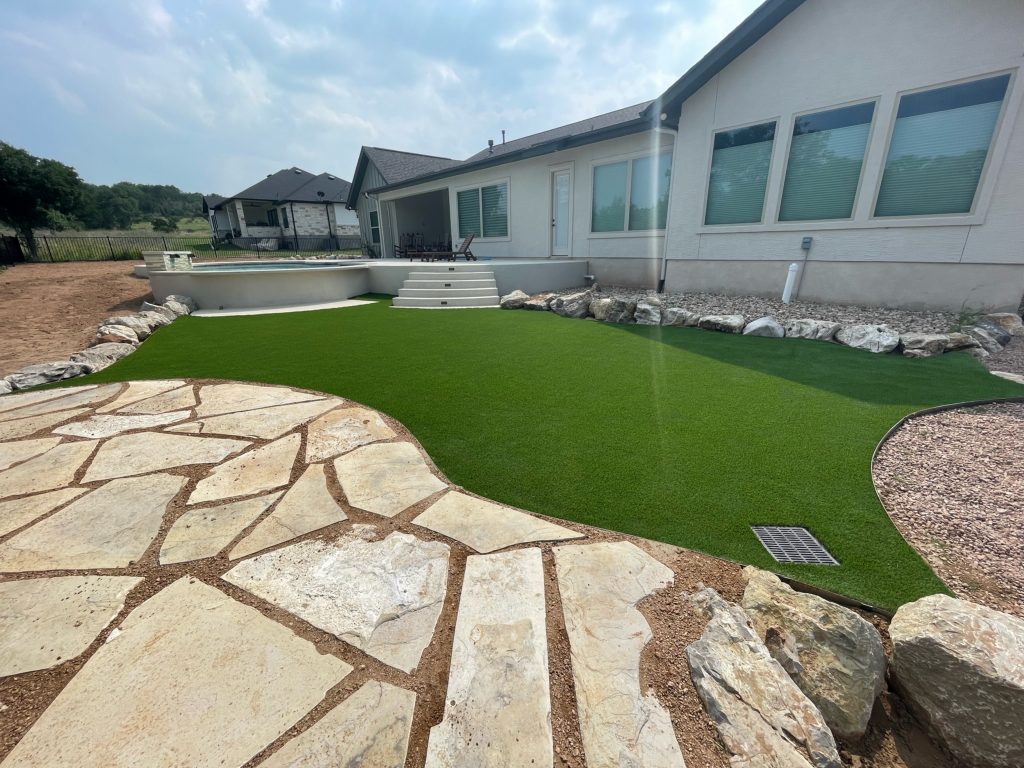
Lone Star Turf uses advanced seaming techniques that create nearly invisible connections between panels. This ensures that the entire lawn appears natural and cohesive. For homeowners who try to replicate this with basic tools, the results are often frustrating and hard to correct once the adhesive has set.
5. Poor Drainage Planning
Turf must drain properly. Without a drainage plan, even a beautiful installation will develop odor issues, mold, bacteria buildup, or standing water.
The good news is that most artificial turf products today are designed with a permeable backing, allowing efficient surface water runoff—especially when paired with high-quality infill and a properly compacted base. This design helps prevent puddles and supports cleanliness, particularly in homes with pets.
Proper drainage does not require advanced drainage systems, but it does require thoughtful planning. Professionals understand how to shape the base, create runoff patterns, and use high-quality infill so water moves through the turf efficiently. Many DIY projects fail because homeowners overlook or misunderstand drainage needs. They neglect to check the slope of their yard, they skip weed barriers, or they install the turf too tightly against hardscapes. The result is water that cannot move freely through the base.
Once turf is installed on top of a poorly draining base, correcting the issue typically means starting the installation from scratch.
Pro-Tip: Turf alone cannot solve underlying or pre-existing drainage issues in your yard. If your lawn already has problems like standing water, poor grading, or slow runoff, installing turf over it will only mask the problem temporarily. Complex drainage issues typically require the help of a specialized contractor to evaluate and remediate the problem before turf is installed.
6. Turf Shifting Over Time
Turf expands when it is hot and contracts when temperatures drop. In Texas, those swings can be dramatic. If the turf is not anchored correctly, it will shift or ripple. This becomes even more noticeable in high-traffic areas, around pools, or in yards with dogs.
Correct anchoring includes:
- Proper nail spacing around perimeters
- Strong seam adhesive
- Adequate infill weight
- Perimeter edging
Homeowners going the DIY route often underestimate how much infill is needed or how tightly the turf must be stretched and secured. When turf shifts, it creates tripping hazards and makes the entire lawn look loose or unfinished.
Professional turf installers understand how different materials behave during seasonal expansion and contraction. They know how to anchor turf so it stays beautiful and functional for many years.
7. No Warranty or Protection if Something Goes Wrong
DIY installations do not come with support. If a seam pops, the base sinks, the turf wrinkles or water pools, the homeowner must fix it or pay for a complete reinstallation. Small mistakes can become very expensive quickly.
Professional turf installation includes warranties that protect the homeowner for years. Lone Star Turf provides an industry-leading workmanship and labor warranty of up to 16 years in addition to the manufacturer warranty on the turf itself. If something goes wrong, our team comes out, evaluates the issue, and resolves it.
A warranty is more than a piece of paper. It is peace of mind and a guarantee that the investment will last.
What Makes Professional Turf Installation Worth It
Skill and Experience Create Flawless Results
Turf installation is both technical and artistic. A quality installation requires accurate cuts, smooth transitions around curves, properly formed seams, and careful shaping around hardscapes and landscaping.
Lone Star Turf has completed thousands of installations across Texas. We understand the nuances of each region, from the soil in Dallas to the heat patterns in Austin and San Antonio. Our experience allows us to anticipate problems before they happen and produce consistent results on every project.
Homeowners trying to recreate these techniques on their first installation often find themselves frustrated or unhappy with the appearance of the finished yard.
Time Savings That Truly Matter
What many homeowners hope will be a weekend project often turns into a weeks-long ordeal. Excavating soil, hauling wheelbarrow loads of base material, spreading infill, cutting seams, and compacting layers is labor intensive. Not only does this take significant time, but it also takes significant energy.
When Lone Star Turf handles your professional turf installation, you get your time back. Our brand promise is simple. You get your weekends back while your yard gets transformed.
Long-Term Value Over Short-Term Savings
DIY installation can save some money upfront. However, long-term value is determined by how well the turf performs over time. A properly installed turf system lasts longer, requires fewer repairs, and looks significantly better.
The cost of professionally installed turf often breaks even in about four years. That break-even point happens even sooner in yards that require heavy watering, mowing, fertilizers, or treatments to maintain natural grass.
Better yet, a high-quality turf installation improves curb appeal and increases perceived home value. A poorly installed DIY turf job has the opposite effect.
Lone Star Turf vs DIY: What You Are Really Getting
Here is a side-by-side look at what homeowners can expect when comparing DIY installation with a professional installation from Lone Star Turf.
| Category | DIY Turf Installation | Lone Star Turf |
| Tools | Basic household tools, often inadequate | Professional-grade equipment designed specifically for turf |
| Materials | Whatever is locally available | Premium turf, infill, and base materials matched to Texas conditions |
| Warranty | None | Both installation and product warranties |
| Timeline | Several weekends or longer | Typically completed in one or two days |
| Lifespan | Shorter due to poor prep | Long-lasting (15-20 years) with durable, compacted base |
| Curb Appeal | Visible seams, uneven surface | Clean, seamless, professional appearance |
| Drainage Quality | Rarely planned or executed correctly | Engineered drainage specific to yard and soil type |
Real Talk: Is DIY Ever a Good Option?
There are a few scenarios where DIY might make sense. If you are installing a small dog run, a narrow utility strip, or a little practice area and you do not mind redoing it if something goes wrong, DIY can be a fun learning experience.
However, for most homeowners installing turf around a pool, in a backyard, or building a putting green, the risk of doing it incorrectly far outweighs any initial savings. Turf is an investment. The type of installation determines how long that investment will last.
If you are unsure whether your project is suitable for DIY, reach out. Lone Star Turf will give you an honest assessment. If your project is simple enough to handle yourself, we will tell you. And if it is complex enough to benefit from professional installation, we will explain why.
Contact us to schedule your free on-site consultation today!