
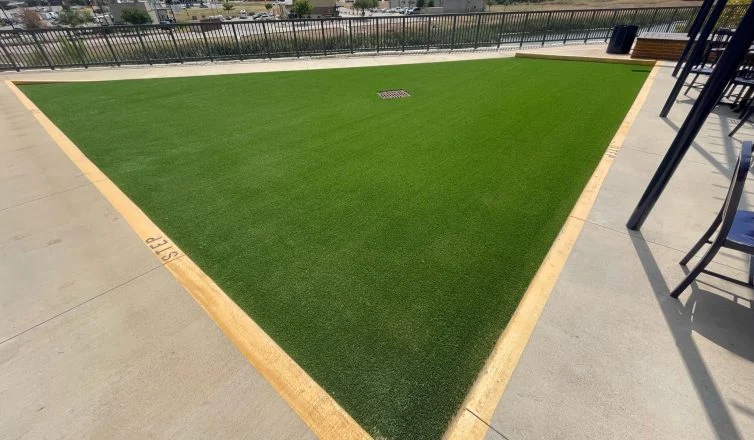
Texas properties get judged on their outdoor spaces at the worst possible times, like right after a storm, right before a big event, or right when residents and parents are already frustrated. If you’re weighing commercial turf installation, you’re probably not looking for a “nice-to-have.” You’re looking for a reliable fix that cuts complaints, keeps spaces open, and doesn’t turn into a warranty fight six months later.
This guide breaks down what property managers should know about commercial turf installers in Texas: what a quality install includes, what questions to ask, and how to compare bids with confidence.
Quick Summary
- Commercial turf installation is a systems job, not just “laying turf”—base prep and drainage planning make or break results.
- The best installers reduce complaints, downtime, and budget surprises with clear scope and documentation.
- Focus on what’s under the turf (base depth, grading, drainage, seams, transitions), not just turf brand.
- Ask for board-ready documentation: ROI logic, warranty, insurance, ADA/safety details, references.
- Plan the install around real-world constraints (school calendars, resident access, storm risk) and require a communication plan.
- Want to see what “good” looks like? Check out Lone Star Turf’s Nickel Rock commercial case study.
Why Commercial Turf Installation Is Different in Texas (and Why It Matters)
Commercial turf installation in Texas is a higher-stakes decision than in other regions. Across the state, properties face unique environmental stress: flash floods, intense UV exposure, and extreme wear. One week it’s a dustbowl, the next it’s a swamp. For commercial properties, turf can buy greater reliability and uptime.
When outdoor areas fail, the consequences show up immediately as resident complaints, closed amenities, safety risks, and added staff time. That’s why Texas commercial turf has to be treated as a system, not just a surface, to deliver reliability, safety, and consistent performance when conditions are at their worst.
Where Commercial Turf Makes the Most Sense
Commercial turf is most effective where outdoor conditions are challenging and consistent usability matters. Property managers often face the same issues: mud, high maintenance, wear and tear, or public safety concerns. Here’s how turf helps across three commercial property types we work with most often:
Multifamily Properties and Apartments use turf in high-wear areas like dog runs and courtyards to eliminate mud and patchy grass, leading to better curb appeal and increased tenant satisfaction with lower maintenance.
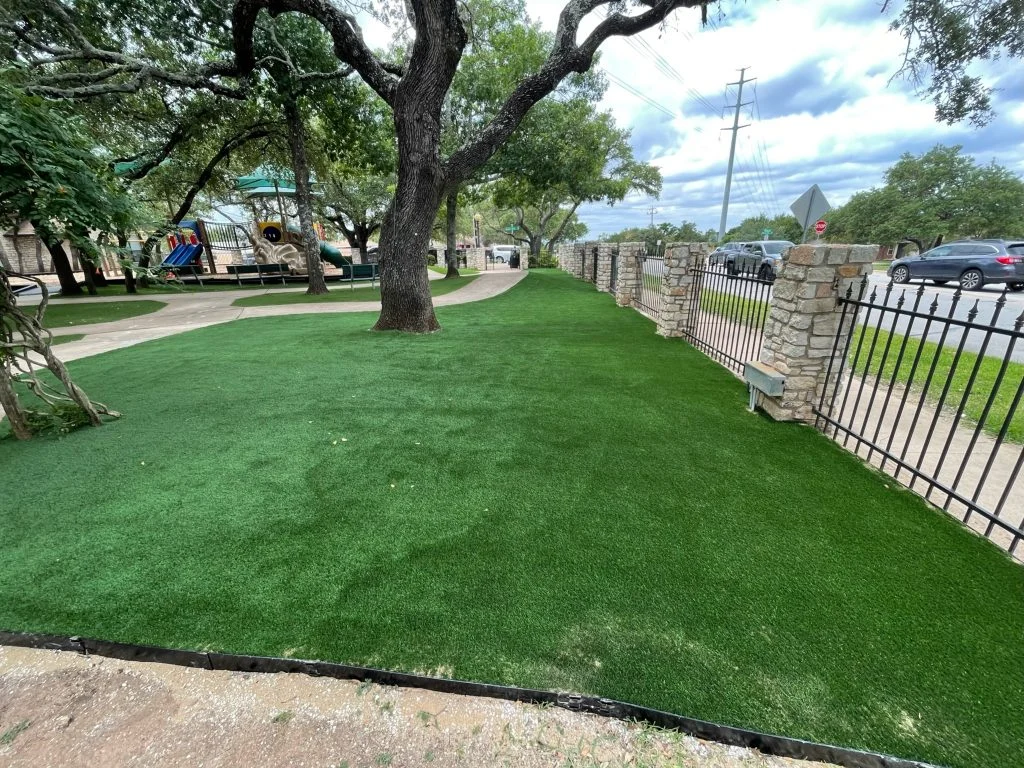
Schools, Daycares, and Playgrounds install turf to ensure consistent uptime and safety. It dries faster than natural grass, reducing closures after rain and lowering the risk of slips and falls for children.
Parks and Municipal Rec Spaces benefit from turf’s durability, which holds up to heavy public use and unpredictable weather. This offers predictable performance and a longer usable lifespan, reducing the cycle of costly repairs and aiding budget forecasting.
What a Quality Commercial Turf Installation Should Include
A proper turf installation is a multi-layered process that affects everything from performance to longevity. Below is what every high-quality commercial turf install should include:
1) Site Assessment + Usage Mapping
Before pricing a job, the installer should walk the site and map out how the area will be used. This includes:
- Foot traffic zones: Different areas may require different turf specs depending on whether they’re used by kids, pets, or for hosting events.
- Drainage pain points: Identifying problem areas ensures water flows away from the turf, not into it.
- Access/staging limits: Knowing delivery paths and workspace limitations helps avoid mid-project surprises.
Why it matters: A proper site assessment prevents costly mistakes, ensures the right turf system is chosen for the intended use, and avoids project delays.
2) Demo and Subgrade Prep
This phase sets the tone for the entire project. A quality team will:
- Remove old sod, rock, and irrigation heads as needed
- Cut clean, straight borders
- Cap or adjust irrigation lines to prevent damage or leaks later
Why it matters: Overlooking this step can result in uneven surfaces and costly repairs.
3) Grading + Base Preparation
The base is the structural foundation of the turf system. Look for:
- Grading that moves water away from buildings or pedestrian areas
- A crushed aggregate base, compacted in multiple lifts to avoid future settling
- Clarity in the scope: avoid bids that say “light prep included” without specifying base depth or material
Why it matters: To prevent future settling and drainage issues, which are the most common causes of turf system failure.
4) Weed/Mud Barrier + Edge Containment
A high-quality barrier keeps weeds and mud from pushing up into the turf system, while edge containment:
- Locks the system in place
- Prevents fraying or contamination at turf borders
Why it matters: This step ensures longevity and a clean finish, preventing weeds and maintaining the system’s structural integrity over time.
5) Turf Layout, Seams, and Transitions
Proper layout and finishing techniques prevent premature wear or safety issues. Ensure that:
- Seams are located away from high-wear areas whenever possible
- Turf edges are clean and flush at concrete, curbs, or paver transitions
- The installer can explain their seam method and edge detailing approach
Why it matters: Seams create weak points that can lead to tripping hazards, fraying, and premature system failure under heavy use.
6) Infill Selection
Infill impacts comfort, performance, and long-term maintenance. Consider:
- Heat retention: Some infills retain more heat than others
- Odor control: Especially relevant for pet-heavy areas—antimicrobial infills help
- Stability & softness: Infill keeps turf blades upright and provides cushion underfoot
Why it matters: The right infill can make or break the install’s success, influencing safety, temperature, and odor control for users and pets.
7) Cleanup + Punch List + Handoff
The final phase should be just as professional as the installation itself. Expect:
- A final walkthrough and punch list to ensure quality control
- A written care and maintenance guide customized to your site
- Clear contact information for post-install support and warranty follow-up
Why it matters: Good installers don’t disappear after the turf is down—they support the full lifecycle of your project.
Getting Stakeholder Approval to Hire a Commercial Turf Installer
Compliance, Safety, and Documentation Property Managers Should Request
At this stage of the process, the focus should shift from pricing alone to approval readiness. A qualified commercial installer should be able to provide:
- Proof of insurance
- Clear warranty terms (turf and installation)
- Written maintenance guidelines
- ADA or safety documentation where applicable
- References for similar commercial projects
This information helps streamline internal approvals and protects everyone involved in the decision.
How to Address Common Stakeholder Questions
When questions or objections arise, the best responses are grounded in clarity.
- Cost and ROI: Ask for a total cost of ownership perspective, including reduced maintenance, fewer closures, and longer service life.
- Heat or environmental concerns: Request plain-language explanations of turf temperature behavior and infill options—avoid vague marketing claims.
- Trust and risk: References, warranty details, and a defined aftercare process matter more than brand names.
Handled correctly, this part of the process turns turf installation from a “nice-to-have” upgrade into a defensible, low-risk operational improvement.
Understanding What Drives Commercial Turf Installation Pricing
Commercial turf pricing in Texas varies widely, and that’s intentional. For property managers, the goal isn’t to justify the lowest number, but to understand what that number includes and whether it protects the property long-term.
Site Conditions and Prep Complexity: More demo, grading, and base prep means higher costs. You’re paying for the whole system, not just the turf.
Access and Logistics: Schools and apartments may have restricted access, pet management, or noise limitations.
Turf System + Infill Selection: Different use cases require different infill, turf specs, and specialty add-ons.
Warranty and Support: Proposals with strong documentation and support may cost more—but they will save you stress later.
Real-World Example: Nickel Rock Commercial Case Study
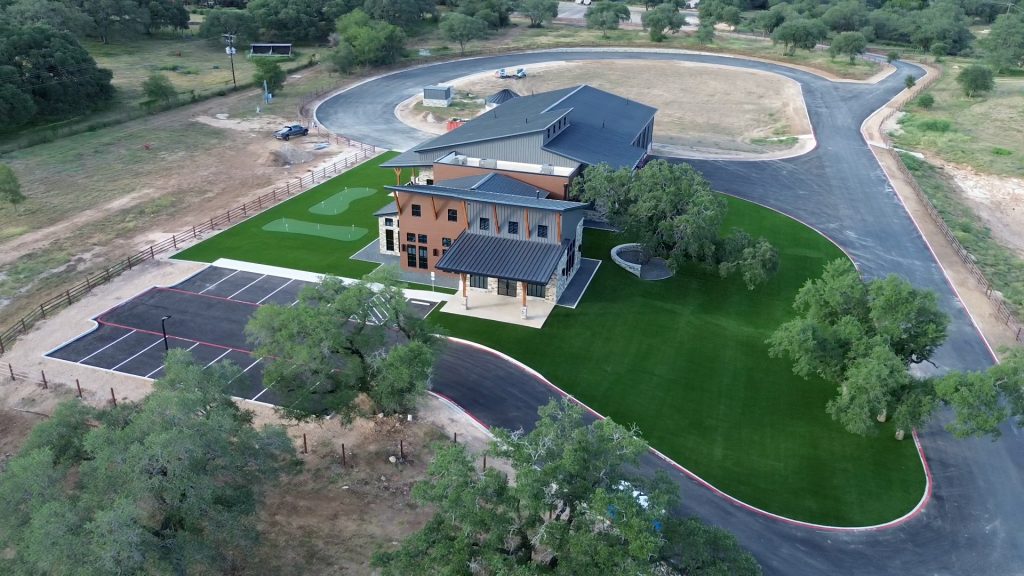
Nickel Rock, a commercial property in Texas, was dealing with unusable outdoor space due to mud, heat, and drainage issues. They needed a solution that kept their tenant-facing areas attractive, open, and low-maintenance.
Lone Star Turf assessed usage zones, engineered a full base and drainage system, and installed commercial-grade turf with professional edging and infill suited to the climate.
The result? A multi-use space that looks sharp year-round, cuts maintenance costs, and finally delivers on tenant expectations. See the case study.
FAQ: Commercial Turf Installation Questions Property Managers Actually Ask
What is commercial turf installation? A system including demo, base prep, drainage, turf, infill, edge containment, and a documented handoff process.
Is commercial turf worth it for apartment complexes? Yes—fewer complaints, lower maintenance volatility, and more reliable amenity uptime.
Is turf safe for schools and playgrounds? Yes, when designed with proper infill, drainage, and documentation. Always ask for ADA and safety compliance info.
How long does commercial turf installation take? Depends on site size, demo, access, and prep complexity. Expect 1–2 weeks. Ask for a disruption plan.
What should I ask a turf installer before signing a contract? Ask about base depth, drainage plan, infill, edge method, warranty, insurance, references, and aftercare support.
How do I compare quotes? Ignore price alone. Compare scope, documentation, warranty, and support.
Conclusion: How to Choose a Commercial Turf Installer in Texas With Confidence
Commercial turf installation success comes down to what’s under the surface: base prep, documentation, and ongoing support. Check out our Guide to Artificial Turf for Schools, Parks, and Commercial Spaces for more expert tips.
If you’re managing a high-use property, don’t gamble on green promises. Choose a partner who understands Texas challenges, provides board-ready documentation, and backs up their work long after install day.
Get a Site Walk + Board-Ready Proposal
Want a turf installer who understands your goals and speaks your stakeholders’ language? Contact Lone Star Turf for a free site visit and board-ready proposal.